
Introduction
You have spent hours researching, writing, and polishing a thorough guide or blog post. It provides genuine answers to real problems, reads well, and is ready for an audience. But when you look at your own website or empty channel, you realize the hardest part is just beginning: getting people to actually read it.
Many creators, small business owners, and marketers immediately face a wall when searching for places to share their work. A quick search for places to publish leads to endless lists of “free posting sites.” Unfortunately, many of those lists are hopelessly outdated. You click through to find broken links, platforms that closed down years ago, or sites that have devolved into automated spam hubs. Others require complex registration steps only to reject your submission without explanation, or hide strict formatting rules until after you hit submit.
It is easy to waste an entire afternoon jumping between random message boards, article directories, and dead forums without finding a single place that fits your topic. Spending time creating content is rewarding; spending hours wrestling with broken sign-up forms is exhausting.
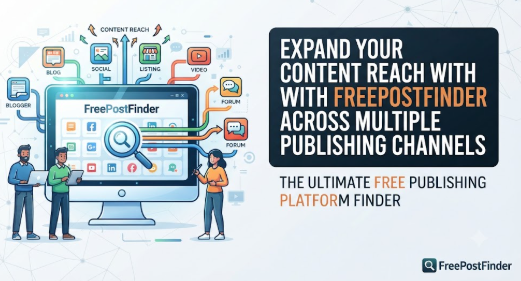
Finding a place to publish should not feel like digging through digital junk mail. What you really need is a clear way to evaluate where your content belongs, what different sites require, and how to reach readers who actually care about your topic. This is where a structured content publishing platform finder like FreePostFinder fits into a modern publishing workflow. Instead of guessing which sites are active or relevant, an organized discovery tool helps you spend less time searching and more time connecting with readers.
What Are Free Posting Sites?
At their core, free posting sites are online spaces where individuals, businesses, and creators can share written, visual, or audio content without paying upfront publishing fees. These platforms range from open blogging spaces and digital magazines to community forums, Q&A boards, business directories, and video sharing networks.
People use these public channels for several straightforward reasons:
- Expanding reach: Building an audience from scratch on a new personal domain takes time. Established platforms already have active readers searching for information.
- Testing ideas: Writers often use open platforms to see which topics resonate before investing heavy resources into launching a dedicated publication.
- Building a digital presence: Local businesses, freelancers, and startups use open directories and profile sites to ensure potential clients can verify their basic details online.
- Diversifying formats: A brand might keep its core articles on an owned website while sharing video tutorials, slide presentations, or code snippets on specialized media channels.
It is important to distinguish these channels from an owned website. When you host your own site, you have absolute control over design, monetization, and rules, but you bear total responsibility for driving traffic. When you publish on external public sites, you leverage an existing infrastructure and community, but you must respect the host platform’s guidelines, formatting standards, and content policies.
A crucial point that every writer must learn early on is that “free” does not mean “useful.” A site that allows anyone to publish anything without oversight often ends up filled with low-quality, automated content. If readers avoid the platform, publishing there offers no real benefit to you. Quality, moderation, and audience relevance matter far more than an easy submit button.
Why Finding the Right Publishing Platform Matters
Publishing an article on a site that has nothing to do with your topic does far more harm than good. A detailed technical breakdown of software architecture will be ignored—or quickly removed—if posted in a general lifestyle forum. Conversely, broad promotional copy will be downvoted off a focused technical board in minutes.
Matching your message to the correct platform requires looking at several core factors:
Audience Relevance
Are the people visiting this site interested in your niche? An audience of 500 deeply engaged professionals in your specific industry is infinitely more valuable than a general audience of 50,000 who scroll past your post without a second glance.
Content Format
Different platforms exist for different media. Long-form analytical essays belong on open blogging platforms or digital publications. Quick updates belong on microblogs or social networks. Technical troubleshooting fits best into Q&A formats or specialized discussion boards.
Rules and Moderation
Every healthy community operates on rules. Some platforms enforce strict submission standards, requiring manual editor review before anything goes live. Others use automated filters to check for self-promotion, duplicate copy, or low-effort submissions. Knowing these rules beforehand saves you from wasted effort and instant rejections.
Platform Reputation and Lifespan
A platform that moderates strictly and maintains high standards builds trust with its readers. Content published on a clean, respected site remains accessible and valuable for years. Content placed on an unmoderated link farm usually disappears when the domain loses its standing or shuts down entirely.
Real-World Example: Imagine an independent developer who writes a clear, step-by-step guide on fixing a common database bug. If they drop that guide into an unmoderated business directory, it serves no one. If they publish it on a technical community platform or developer forum where engineers ask database questions daily, that single article can help thousands of people over several years. Location defines relevance.
What Is FreePostFinder?
FreePostFinder is an organized directory and research tool designed to simplify how creators, marketers, and businesses discover places to publish content online.
Instead of forcing users to rely on static, unverified lists found in old search results, FreePostFinder aggregates, categorizes, and organizes content publishing platforms in one place. It was created to address a simple reality: finding where to publish takes too much time, and evaluating whether a site is actually worth your effort is often difficult without prior experience.
FreePostFinder does not automatically post content for you, nor does it guarantee that third-party editors will accept every submission. Instead, it acts as a structured search engine for publishing opportunities. By categorizing platforms by content type, audience focus, registration requirements, and submission rules, it allows you to quickly filter out irrelevant options and focus on legitimate, active channels suited to your goals.
Types of Free Publishing Platforms You Can Discover
Because digital content comes in many forms, publishing channels vary significantly in structure and purpose. Using an organized platform finder allows you to discover options across several distinct categories:
Free Article Posting Sites
These channels are built for structured, informative long-form content. They are ideal for in-depth guides, industry analyses, opinion pieces, and educational posts. Readers visit these sites looking to learn something new or solve a specific problem, making them great spaces for thought leadership.
Free Blog Posting Sites
Blog platforms accommodate casual, personal, or professional writing published on a recurring basis. They offer flexible formatting, allowing you to build a recognizable publishing voice over time. They work well for personal essays, company updates, case studies, and creative narratives.
Free Business Listing Sites
Business directories and corporate profile networks allow companies to publish fundamental information: operating hours, location details, service summaries, and contact methods. Maintaining clear, accurate entries on reputable directories helps potential local customers confirm that your business is active and legitimate.
Free Forum Posting Sites
Forums and discussion boards thrive on direct peer-to-peer communication. They are design-built for Q&A sessions, technical troubleshooting, open discussions, and community problem-solving. Success on forums requires active participation; dropping promotional copy into a discussion board without context is a quick way to get banned.
Free Video Posting Sites
Visual media platforms host short-form video clips, long-form webinars, visual tutorials, product demonstrations, and presentation slides. They cater to audiences that prefer watching or listening over reading text.
Other Free Content Publishing Platforms
Beyond the standard categories, the digital publishing space includes:
- Digital Newsletters: Open platforms for building direct email subscriber bases.
- Document and Slide Repositories: Places to share whitepapers, PDFs, and slide decks.
- Code and Data Repositories: Platforms where developers share open-source snippets and technical documentation.
- Event and Community Pages: Directories for announcing workshops, webinars, and regional meetups.
How to Choose the Right Free Posting Site
Before submitting content anywhere, take a systematic approach to evaluating the site. Running down a simple mental checklist will keep your strategy aligned with professional publishing standards:
- Format Compatibility: Confirm that the site natively supports your format. Do not try to force a full-length video into a text-only article board.
- Audience Intent: Determine why people visit the site. Are they looking for quick answers, casual entertainment, professional advice, or vendor comparisons?
- Submission Guidelines: Read the platform’s self-promotion policies carefully. Some platforms welcome personal case studies; others ban external references entirely.
- Registration and Verification: Check whether the site requires simple email registration, mobile verification, or an existing contributor account.
- Moderation Overhead: Does your post go live immediately, or does it sit in an editorial queue for review?
- Overall Quality: Look at the recent posts on the front page. If you see wall-to-wall automated spam, low-effort ads, or broken formatting, move on. Publishing on a site with poor standards reflects poorly on your work.
Step-by-Step Guide to Finding Free Posting Sites
Finding the right distribution channels does not have to be random. By following a standard step-by-step workflow, you can secure relevant, quality publishing opportunities efficiently.
Step 1: Define Your Content Goal
Determine what you want your content to achieve. Are you aiming to answer a technical question, share an industry insight, update local customers, or host a visual presentation?
Step 2: Identify Your Target Reader
Specify who benefits most from reading your piece. Write down two or three key characteristics of your ideal audience—such as their profession, skill level, or current problem.
Step 3: Select the Appropriate Category
Match your audience and format to a broad channel type (e.g., technical forum, article directory, video host, business profile).
Step 4: Use a Platform Finder to Search
Instead of guessing search strings in a search engine, open a platform directory like FreePostFinder. Filter by your target category and content type to pull up active options.
Step 5: Review Platform Entry Requirements
Check what each platform requires to open an account or submit work. Take note of any account age restrictions or post-count requirements before you write.
Step 6: Read the Specific Moderation Rules
Look for terms of service or contributor guidelines. Confirm whether the community allows links, author bios, or explicit brand mentions.
Step 7: Compare Your Top Options
Narrow your search down to two or three platforms that best match your subject matter and editorial standards.
Step 8: Prepare Original, High-Quality Material
Tailor your writing or media specifically for the chosen platform. Avoid taking a single draft and posting identical copies everywhere.
Step 9: Submit According to Standards
Format your submission cleanly, upload clear images where appropriate, and follow every guideline the platform specifies.
Step 10: Monitor and Engage
After publishing, check back on your post. Answer questions in the comments, correct any minor formatting issues, and thank readers who engage with your work.
How FreePostFinder Makes Platform Discovery Easier
Searching for channels individually often leads to frustration: outdated links, undisclosed paywalls, and sites that quieted down years ago. FreePostFinder addresses these bottlenecks directly by organizing the discovery process.
Here is how using a central discovery tool changes the experience:
- Categorized Browsing: Instead of wading through mixed search engine results, you can jump straight to dedicated lists for articles, business profiles, blogs, or discussion boards.
- Clear Requirement Snapshots: FreePostFinder helps highlight whether a site requires account registration, profile verification, or manual moderation before publishing.
- Rule Awareness: By giving users quick access to platform guidelines, the tool reduces the chance of accidental policy violations that lead to rejected posts.
- Risk Filtering: You can easily skip unmoderated or low-quality environments that could harm your brand’s digital presence.
- Time Efficiency: Having multiple vetted platforms listed in one place cuts down hours of tedious manual research, letting you focus on producing good content.
Using FreePostFinder for Different Content Goals
Different creators require vastly different publishing channels. Here is how various users leverage FreePostFinder to meet their specific aims:
For Bloggers
Bloggers looking to expand beyond their native sites can use the platform to find open guest-writing directories and blogging networks. This makes it easier to syndicate original ideas, participate in wider creative spaces, and reach readers in complimentary niches.
For Independent Writers
Writers looking to build a digital portfolio can discover open publications and literary spaces. Evaluating editorial requirements ahead of time helps writers spend energy submitting to sites where their specific style is welcomed.
For Content Marketers
Marketers working on broad distribution strategies can identify legitimate industry channels to share educational articles, case studies, and whitepapers—helping them distribute material without relying on spam tactics.
For Local Businesses
Small business owners can search for region-specific and industry-focused business profile sites to keep their location details, service lists, and contact information updated across the web.
For Software Developers and Technical Authors
Developers can find Q&A boards, code platforms, and technical community hubs suited for deep-dive tutorials, debugging notes, and documentation releases.
For Video and Visual Creators
Visual storytellers can locate video hosts, slide repositories, and infographic sharing spaces, matching visual content to platforms optimized for high-bandwidth media delivery.
Real-Life Scenarios: From Research to Publishing
Scenario 1: A New Blogger Seeking an Initial Audience
- Problem: An independent finance blogger has written a 2,000-word beginner’s guide to personal budgeting, but their personal blog has no regular traffic yet.
- Research Process: The blogger uses a platform finder to search for open article publishing sites and financial blogs accepting community contributions. They filter out sites with low editorial standards.
- Suitable Platform Type: An established, editorially moderated personal finance publication or open article hub with a dedicated money section.
- Responsible Approach: The blogger formats the guide to match the site’s guidelines, submits an original piece, and stays around to answer reader questions in the comments section.
Scenario 2: A Local Business Updating Online Records
- Problem: A regional plumbing contractor wants to ensure potential local clients can verify their business hours, service areas, and emergency phone numbers across the web.
- Research Process: The owner searches a platform directory for legitimate business listing sites and service directories operating in their geographic area.
- Suitable Platform Type: Verified business profile platforms and regional commercial directories.
- Responsible Approach: The owner fills out every listing profile manually, ensuring the business name, address, and phone number match their official documentation exactly.
Scenario 3: A Developer Sharing a Coding Solution
- Problem: A software engineer solves a tricky integration bug in a popular programming language and wants to help other developers running into the same error message.
- Research Process: The engineer uses discovery filters to locate active developer communities, Q&A boards, and technical blogging platforms.
- Suitable Platform Type: A developer-focused forum or open technical publishing network.
- Responsible Approach: The engineer posts a clear problem-and-solution article with code snippets formatted for readability, without adding unnecessary promotional pitches.
Scenario 4: A Marketer Distributing a Market Report
- Problem: A B2B marketer creates an educational report on retail trends and wants industry professionals to read it without dropping links on random, unrelated websites.
- Research Process: The marketer searches for document sharing repositories, slide platforms, and B2B article networks focused on commercial enterprise.
- Suitable Platform Type: Professional document sharing networks and business analysis publications.
- Responsible Approach: The marketer publishes a clean PDF summary of the study on a document platform and writes a short explanatory article for a business analysis site, linking to full sources ethically.
Scenario 5: A Creator Launching Video Tutorials
- Problem: A home repair hobbyist records five clear video guides on simple woodworking but needs hosting platforms built specifically for visual media.
- Research Process: The creator looks through visual and media distribution categories on a platform index, looking for sites with fast video delivery and clear categorizations.
- Suitable Platform Type: Video sharing networks and media platforms supporting community submissions.
- Responsible Approach: The creator uploads crisp videos accompanied by detailed descriptions, accurate tags, and chapter markers to help viewers follow along easily.
Common Mistakes to Avoid When Publishing Online
Even with access to a clear platform finder, publishing mistakes can undermine your results. Keep these common traps in mind:
- Prioritizing Quantity Over Relevance: Submitting an article to 50 unrelated sites yields worse results than posting on two active, hyper-targeted channels. Focus on where your readers actually hang out.
- Posting Duplicate Content Everywhere: Copying and pasting identical paragraphs across dozens of sites causes major issues. Search engines often hide duplicate submissions, and platform moderators frequently flag mass-pasted content as spam.
- Ignoring Platform Rules: Every community has terms of service. Skipping these rules leads to rejected submissions, account suspensions, or total bans.
- Treating Forums as Ad Space: Dropping promotional text into discussion boards without contributing to the conversation damages your brand’s reputation. Forums reward helpful answers, not sales pitches.
- Focusing Solely on External Links: Using open platforms strictly as link drops leads to low-quality posts. Write articles that provide immediate value to the reader on the page itself.
- Automated Mass Submissions: Using software to auto-submit content to hundreds of directories ruins site quality, triggers security filters, and often gets your accounts permanently blacklisted.
Key Rule of Responsible Publishing: Treat every host platform with respect. Write content that makes the platform better for having hosted it, rather than treating public communities as personal digital dropboxes.
Structured Comparison Tables
Table 1: Overview of Free Publishing Platform Types
| Platform Type | Suitable Content | Typical Users | Main Purpose |
| Article Posting Sites | In-depth guides, essays, tutorials | Writers, thought leaders, educators | Educate readers and share deep topic knowledge |
| Blog Posting Sites | Case studies, opinion pieces, stories | Independent bloggers, creative writers | Build an ongoing publication channel |
| Business Listing Sites | Contact info, service lists, locations | Local businesses, service providers | Help prospective clients find valid business info |
| Forum Posting Sites | Q&A posts, tech discussions, fixes | Engineers, specialists, researchers | Participate in active, topic-focused discussions |
| Video Posting Sites | Short clips, webinars, screen records | Media creators, instructors, brands | Deliver visual and audio explanations |
| Community Platforms | Industry news, reviews, announcements | Startups, hobbyists, subject experts | Share relevant news within specialized networks |
Table 2: How to Evaluate a Publishing Platform Before Posting
| Factor | What to Check | Why It Matters |
| Audience Alignment | Recent comments, post views, topic relevance | Ensures your work reaches interested human readers |
| Content Rules | Terms of service, link policies, self-promotion limits | Prevents rejections, post removals, or account bans |
| Moderation | Presence of active admins, submission queues | High editorial moderation usually indicates a clean, trusted site |
| Registration Requirements | Email check, phone verification, profile completion | Helps you estimate the prep time needed before publishing |
| Platform Reputation | Overall site design, lack of spam, page load speed | Publishing on clean sites protects your professional reputation |
| Risk Factors | Broken links, wall-to-wall ads, duplicate spam | Indicates an abandoned site that offers no real visibility |
User Experiences with Platform Finders
Example 1: An Independent Tech Writer
- Initial Challenge: A self-employed writer created an educational guide explaining cloud hosting basics. They posted it on their personal blog, but without an established subscriber list, the piece received almost no readers.
- Discovery Process: Instead of manually searching through endless forum lists, the writer opened a centralized platform directory. They filtered for technical blogging spaces and open publications with clear editorial standards.
- Practical Outcome: They identified two well-moderated tech publishing platforms with clear contributor guidelines. By adapting their article to meet the formatting requirements of those specific communities, the writer reached several hundred interested readers in their target industry and built up their public writing portfolio.
Example 2: A Local Home Repair Business
- Initial Challenge: A newly launched residential electrical company needed to ensure local residents could easily look up their business phone number, operating hours, and service areas online.
- Discovery Process: The owner used an organized directory finder to filter through business listing platforms operating in their region. They prioritized directories that required business verification and had clear rules against duplicate submissions.
- Practical Outcome: The owner established accurate, consistent business profile entries across five reputable profile platforms. This structured research saved them from submitting information to dead or spam-heavy link lists, keeping their digital profile clean and trustworthy.
Benefits of Using a Content Publishing Platform Finder
Integrating a dedicated platform finder into your distribution workflow offers several distinct advantages:
- Saves Hours of Manual Research: Skip the tedious process of clicking through outdated search results and dead links.
- Simplifies Comparison: View supported content types, moderation styles, and sign-up requirements side-by-side.
- Helps Match Formats Correctly: Easily pair text guides, visual slides, videos, and business profiles with channels designed to host them.
- Promotes Responsible Distribution: Access direct guidelines and terms of service, helping you avoid accidental policy breaks.
- Protects Brand Reputation: Filter out spammy, unmoderated sites so your content only appears alongside quality work.
- Reduces Submission Errors: Understanding platform guidelines before drafting saves time and avoids frustrating rejections.
Frequently Asked Questions
What are free posting sites?
Free posting sites are digital platforms where individuals, businesses, and creators can publish written, visual, or audio content without paying upfront platform fees. They include article hubs, blogging networks, business directories, discussion forums, and media hosts.
Where can I post content for free online?
Depending on your format, you can publish on open article platforms, community blogging networks, local business profile directories, discussion boards, Q&A channels, and video hosting platforms.
What are free article posting sites used for?
They are best suited for educational guides, comprehensive tutorials, opinion pieces, and long-form analysis designed to inform a broad or specialized audience.
Are free blog posting sites suitable for beginners?
Yes. Open blogging platforms allow new writers to practice publishing, experiment with formats, and build a digital portfolio without the technical overhead of running a self-hosted website.
What are free business listing sites?
Business directories allow companies to publish official operational details—such as addresses, service descriptions, contact numbers, and website links—to help local customers find and verify them.
What are free forum posting sites?
Forums are message boards focused on direct community interaction, questions, and answers. They are designed for peer discussions rather than aggressive product promotion.
Can I publish the exact same article on multiple websites?
It is best to avoid posting identical text across multiple platforms. Search engines typically filter out duplicate content, and many platforms ban mass-pasted posts. Always tailor your writing for each unique audience.
How do I choose the right publishing platform for my topic?
Look closely at audience relevance, content format support, editorial rules, moderation activity, and site quality. Choose platforms where people already go to read about your specific topic.
Is every free posting site safe or useful?
No. Many unmoderated sites are filled with low-quality spam and broken links, offering zero audience engagement. Stick to clean, actively moderated platforms with clear submission guidelines.
What is FreePostFinder?
FreePostFinder is an organized directory and research tool designed to help writers, businesses, and creators discover, filter, and evaluate free content publishing platforms based on their target audience and media format.
Conclusion
Publishing digital content successfully comes down to a simple balance: creating work that genuinely helps people and placing it where those people are actually looking.
It is easy to get caught up in the idea that more posts on more sites automatically leads to better results. But in practice, cluttering the web with duplicate copy or dropping links into unmoderated directories wastes time and undermines your credibility. The real objective is relevance. One well-researched article placed in a respected community that cares about your topic will always outperform a dozen posts scattered across forgotten link lists.
Taking time to evaluate platforms before you hit submit pays off. Review the submission rules, respect the community culture, keep your information accurate, and make sure every post adds real value to the platform hosting it.
Tools like FreePostFinder exist to make that initial research phase simpler. By organizing categories, submission standards, and platform requirements into one searchable space, a platform finder cuts out the trial-and-error of manual searching. Before you launch your next article, guide, or business update, spend a few minutes researching your options—and make sure your content finds the home it deserves.
