
Navigating the modern digital landscape has made selecting the right software solutions more complex than ever. With thousands of Software-as-a-Service (SaaS) platforms, Artificial Intelligence (AI) platforms, and specialized enterprise tools available today, organizations frequently struggle to cut through marketing claims and identify tools that actually deliver value. Comparing software requires evaluating diverse feature sets, pricing models, security standards, and integration capabilities. Without objective data and unbiased insights, companies risk committing time and resources to tools that fail to meet operational requirements. Informed buying decisions are essential for maintaining agility, protecting budgets, and driving long-term technology ROI. TrueReviewNow serves as an independent evaluation resource designed to simplify technology selection through structured analysis and objective business software reviews.
What is TrueReviewNow?
TrueReviewNow is an independent software evaluation and technology platform designed to help organizations research, analyze, and compare modern digital tools. The platform’s core purpose is to bring clarity to the technology discovery process by providing structured, transparent analysis across various software sectors. TrueReviewNow aims to bridge the gap between complex technical capabilities and practical business needs. Its vision centers on establishing a standard for software transparency, ensuring that decision-makers of all technical backgrounds can evaluate software confidently.
The platform directly addresses the challenge of software fatigue and vendor noise. By publishing independent evaluations, TrueReviewNow eliminates bias and vendor marketing spin, offering clear breakdowns of software capabilities, limitations, deployment options, and usability. TrueReviewNow assists organizations in systematically assessing software against real-world criteria rather than promotional promises.
Why Software Reviews Matter Before Buying
Investing in software without proper evaluation exposes organizations to financial, operational, and security risks. Independent reviews serve as a risk-mitigation tool that enables companies to understand what a platform provides before signing long-term contracts.
- Avoiding Costly Mistakes: Choosing the wrong software leads to wasted licensing fees, lost implementation hours, and potential downtime during vendor migration.
- Understanding Capabilities: Detailed breakdowns reveal feature limitations, performance bottlenecks, and usability gaps that are rarely highlighted in vendor promotional materials.
- Comparing Vendors Objectively: Standardized evaluations allow decision-makers to evaluate competing tools on equal footing rather than relying on sales presentations.
- Matching Goals with Features: Reviewing platforms in context helps teams select software that addresses specific operational objectives rather than adopting unnecessary features.
- Evaluating Long-Term Value: Independent analyses examine total cost of ownership, including implementation, scaling costs, and support quality over time.
Who Should Use TrueReviewNow?
Small Business Owners
Small business owners often operate with limited capital and small support teams, making every technology investment crucial. TrueReviewNow helps small business leaders discover affordable business software, evaluate free vs. paid tiers, and identify the best SaaS tools for small business growth without overspending on unnecessary enterprise capabilities.
Startups and Growing Companies
For scaling organizations, selecting platforms that accommodate rapid user growth without requiring frequent platform migration is essential. TrueReviewNow offers insights into software scalability, user expansion pricing, API availability, and platform stability, helping startups establish a sustainable technology stack.
Enterprise Organizations
Enterprise software evaluation involves complex governance, compliance standards, and multi-departmental rollouts. Enterprise buyers rely on TrueReviewNow to review long-term vendor stability, advanced security frameworks, compliance certifications, and enterprise-grade integration ecosystems.
IT Managers and Technology Leaders
IT leaders are responsible for system architecture, data security, and seamless deployment. TrueReviewNow provides technical depth regarding deployment options, API capabilities, single sign-on (SSO) support, and system compatibility, assisting IT managers in software selection, governance, and implementation planning.
Marketing, Sales, and Operations Teams
Non-technical department leaders frequently select tools specific to their daily workflows. TrueReviewNow helps sales leaders evaluate the best CRM software for small business and enterprise teams, guides marketing departments toward the best review management software, and assists operations teams in identifying the best project management software to streamline team workflows.
Developers, Data Teams, and AI Professionals
Technical specialists require granular information regarding specialized tools and modern infrastructure. TrueReviewNow covers developer-centric categories, allowing engineers, data scientists, and security professionals to evaluate technical platforms, the best MLOps tools, the best LLM gateways, data governance systems, and enterprise cybersecurity software.
Understanding TrueReviewNow: Features, Categories, and How It Helps Businesses
Comprehensive Business Software Reviews
TrueReviewNow provides structured evaluations that examine platforms across critical operational criteria. Each review analyzes key features, user interface usability, pricing tiers, integration ecosystems, security standards, customer support responsive channels, deployment flexibility, platform advantages, and limitations. These comprehensive breakdowns ensure decision-makers understand both the strengths and trade-offs of a given platform before purchase.
Software Comparison Guides
Evaluating software side by side helps clarify subtle differences between competing solutions. TrueReviewNow creates structured comparison guides that weigh options against specific business requirements, ease of adoption, pricing structures, and long-term scalability, enabling buyers to quickly identify which solution aligns best with their operational scope.
AI, SaaS, and Emerging Technology Reviews
As digital infrastructure evolves, evaluating modern technology requires coverage of specialized, cutting-edge software categories. TrueReviewNow offers dedicated evaluations across rapidly expanding sectors, helping organizations evaluate:
- Artificial Intelligence Solutions: Finding the best AI tools for business automation, generative content, and analytical workflows.
- Developer Infrastructure: Choosing the best MLOps tools for machine learning pipelines and evaluating the best LLM gateways for language model deployment and API governance.
- Data and Governance Platforms: Identifying the best data governance tools for compliance, cataloging, and security.
- Core SaaS Solutions: Assessing project management, communication tools, and customer relationship software.
- Cybersecurity Software: Selecting the best cybersecurity software for business network protection, endpoint defense, and access management.
Buying Guides for Better Decision-Making
Software selection can feel overwhelming due to technical jargon and overlapping categories. TrueReviewNow publishes educational buying guides that break down complex software categories into simple evaluation frameworks. These guides explain what primary features to look for, key industry standards, and practical shortlisting criteria for various business sizes.
Practical Evaluation Criteria Used in Reviews
To ensure objectivity and consistency, TrueReviewNow evaluates technology products across standard practical criteria:
- Features and Functionality: Core capabilities, platform breadth, and workflow automation support.
- Ease of Use: Dashboard navigation, onboarding complexity, and user adoption speed.
- Pricing and Value: Licensing models, hidden costs, setup fees, and total value relative to price.
- Security and Compliance: Data encryption standards, access controls, GDPR, SOC 2, and HIPAA compliance.
- Integrations: Native connector availability, API robustness, and third-party compatibility.
- Scalability: Performance under heavy workloads and user seat expansion options.
- Customer Support: Available channels, documentation quality, SLA tiers, and response efficiency.
- Deployment Options: Cloud-hosted, multi-cloud, hybrid, or on-premise execution models.
- Business Suitability: Specific alignment with startup, mid-market, or enterprise operational profiles.
Analyzing software through these uniform criteria enables buyers to eliminate personal bias and focus on objective requirements.
How TrueReviewNow Supports Different Business Needs
By providing unbiased data across diverse categories, TrueReviewNow serves as an objective educational partner throughout the software procurement process. Rather than pushing specific platforms, the site educates technology teams, executive leaders, and business operators on how to assess software based on operational fit, resource constraints, and long-term strategic goals.
Step-by-Step Guide to Using TrueReviewNow for Smarter Software Selection
Step 1: Identify Your Business Requirements
Before starting software research, define internal business goals, pain points, and technical requirements. Document the specific problem the software needs to solve, team size, budget limits, required integrations, and compliance standards. Having clear internal criteria prevents scope creep and keeps your evaluation targeted.
Step 2: Explore the Relevant Software Category
Once requirements are defined, navigate to the targeted software category on TrueReviewNow. Whether searching for CRM tools, data governance platforms, AI frameworks, or project management systems, browsing the specific category provides a comprehensive overview of top options operating in that domain.
Step 3: Read Detailed Software Reviews
Examine individual product reviews to understand platform capabilities thoroughly. Pay attention to usability summaries, deployment models, pricing structures, and limitations. Reviewing objective pros and cons helps highlight potential friction points early in the selection process.
Step 4: Compare Multiple Software Solutions
Never settle on the first software platform encountered. Use structured comparison resources on TrueReviewNow to compare top contenders side by side. Analyzing features, pricing models, and support channels across multiple products reveals which vendor provides the best balance of value and operational fit.
Step 5: Evaluate Key Decision Factors
Assess shortlisted platforms against critical operational parameters. Verify whether a platform meets mandatory security standards, supports your existing tech stack through native integrations, and fits comfortably within your projected multi-year software budget.
Step 6: Review Buying Guides and Expert Insights
Consult TrueReviewNow buying guides to gain broader context on market trends and technical considerations within the category. Buying guides help identify secondary features you might have overlooked, such as API limits, data export capabilities, or specialized training requirements.
Step 7: Shortlist the Most Suitable Options
Narrow your list to two or three primary tools based on evaluation findings, team feedback, and budget parameters. Ensure that every shortlisted option aligns with both present requirements and anticipated growth over the next two to three years.
Step 8: Make a More Informed Software Decision
With comprehensive, independent data in hand, move forward to vendor demos, trial periods, or procurement negotiations. Utilizing objective evaluation data equips your team to make confident software investments aligned with business success.
Common Mistakes to Avoid in Software Selection
- Buying Based on Popularity: Selecting software simply because it is trending often leads to purchasing overly complex platforms that do not fit your specific operational needs.
- Ignoring Long-Term Scalability: Choosing a tool that meets current needs without considering user growth, data limits, or feature expansion can force an expensive software migration later.
- Focusing Solely on Price: Selecting the cheapest option frequently leads to hidden costs, poor customer support, missing security features, and limited integration options.
- Skipping Security and Compliance Checks: Failing to verify encryption standards, data handling procedures, and regulatory compliance can introduce critical organizational security risks.
- Overlooking Integration Needs: Purchasing software that cannot connect with existing databases, communication tools, or core systems creates inefficient operational silos.
- Skipping Independent Analysis: Relying solely on vendor sales presentations or biased promotional material risks missing critical platform limitations.
- Paying for Unnecessary Features: Overbuying enterprise-tier software packed with bloated feature sets leads to wasted budget and lower user adoption rates.
- Neglecting Customer Support Quality: Underestimating the need for responsive technical support can stall operations when deployment or software issues arise.
Best Practices for Software Evaluation
To ensure a smooth procurement process, establish a structured software evaluation workflow:
- Form a Cross-Functional Evaluation Team: Include representatives from end-user teams, IT/security managers, and finance stakeholders to assess software from all operational perspectives.
- Establish a Clear Evaluation Scoring Matrix: Weight criteria (e.g., security, price, ease of use, integrations) based on company priorities to evaluate products objectively.
- Take Advantage of Free Trials and Demos: Test daily workflows using trial environments to evaluate interface responsiveness, real-world ease of use, and feature claims.
- Verify Integration and Data Portability: Test API connectivity with core platforms and verify how easily your business data can be exported if you decide to change vendors later.
- Review Vendor SLA and Support Tiers: Inspect service level agreements, guaranteed uptime percentages, and support availability before committing to enterprise tiers.
| Software Category | Typical Business Use | Suitable Users |
| CRM Software | Managing customer interactions, sales pipelines, and lead tracking | Sales teams, marketing professionals, small business owners |
| Project Management | Organizing team tasks, tracking deadlines, and managing resources | Operations teams, project managers, remote teams |
| Cybersecurity Software | Protecting endpoints, securing networks, and managing identity access | IT managers, security operations, enterprise IT teams |
| MLOps Platforms | Managing machine learning workflows, model deployment, and monitoring | Data scientists, machine learning engineers, AI professionals |
| LLM Gateways | Governing API access, monitoring usage, and securing LLM integrations | AI developers, software architects, engineering leads |
| Data Governance Tools | Ensuring data compliance, tracking lineage, and managing access | Data privacy officers, database admins, enterprise teams |
| Review Management | Monitoring customer feedback, tracking reputation, and collecting reviews | Marketing leads, local business owners, customer service teams |
| Evaluation Factor | Why It Matters | What to Compare |
| Features & Functionality | Determines if the tool can perform required daily tasks | Core tools, automation options, advanced capabilities |
| Pricing & Value | Prevents unexpected software costs and budget overruns | Monthly/annual rates, setup fees, per-user seat expansion costs |
| Ease of Use | Directly impacts team adoption rates and onboarding time | Dashboard design, navigation simplicity, user onboarding assets |
| Security & Compliance | Protects sensitive company data from breaches and regulatory fines | SOC 2, GDPR, HIPAA compliance, encryption levels, SSO |
| Integrations | Ensures smooth data flow across existing technology tools | Native connectors, API access, webhook support |
| Scalability | Ensures software grows alongside business volume without failing | User limits, data storage caps, enterprise tier features |
| Customer Support | Minimizes operational downtime when technical issues occur | Support channels (chat, email, phone), response SLAs, documentation |
Benefits of Using TrueReviewNow
- Streamlined Software Research: TrueReviewNow consolidates complex technical specifications into centralized, accessible evaluation breakdowns.
- Simplified Tool Comparisons: Standardized frameworks allow buyers to compare multiple platforms on equal terms efficiently.
- Time and Resource Savings: Pre-compiled insights reduce the time internal teams spend researching software options independently.
- Informed Purchasing Decisions: Objective insights help organizations avoid costly software selection errors and platform migration expenses.
- Transparent and Unbiased Analysis: Evaluates software objectively, presenting true platform limitations alongside key capabilities.
- Focus on Operational Alignment: Recommends tools based on functional fit, team size, and long-term business objectives rather than marketing trends.
Frequently Asked Questions
What is TrueReviewNow?
TrueReviewNow is an independent software research and evaluation platform that provides objective reviews, detailed side-by-side comparisons, and educational buying guides across SaaS, AI tools, cybersecurity, and enterprise software categories.
Why are software reviews important?
Software reviews offer objective insights into real-world usability, platform limitations, security standards, and hidden costs, helping businesses avoid expensive purchasing mistakes and select software aligned with their actual operational needs.
How do software comparison platforms help?
Comparison platforms organize product specifications, features, pricing structures, and integrations into standardized formats, allowing decision-makers to evaluate competing options side by side efficiently.
What should businesses compare before purchasing software?
Organizations should evaluate core functionality, total cost of ownership, user adoption ease, security compliance certifications, native integration capabilities, customer support channels, and platform scalability.
How can startups choose SaaS tools?
Startups should prioritize software that offers flexible month-to-month or per-user pricing, essential core functionality, strong integration capabilities, and scalable infrastructure that accommodates future business growth.
What are AI software reviews?
AI software reviews evaluate tools leveraging artificial intelligence for business automation, content generation, data analysis, and workflow optimization, assessing model accuracy, ease of integration, and functional value.
What are MLOps tools?
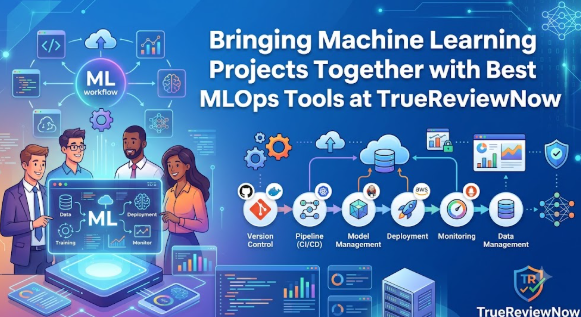
MLOps (Machine Learning Operations) tools are platforms designed to streamline the lifecycle of machine learning models, covering data preparation, model training, deployment, continuous monitoring, and governance.
What are LLM Gateways?
LLM Gateways are management platforms that sit between applications and Large Language Model APIs to manage access control, enforce rate limits, monitor API costs, route traffic, and protect data privacy.
Why are cybersecurity reviews important?
Cybersecurity reviews evaluate protection software, threat detection systems, and access management tools to ensure organizations adopt security tools that effectively protect data and meet compliance standards.
How can businesses avoid choosing the wrong software?
Businesses can avoid software mistakes by clearly defining internal requirements, involving cross-functional stakeholders, conducting independent research on sites like TrueReviewNow, testing tools via free trials, and thoroughly inspecting integration and security standards before purchasing.
Conclusion
Selecting the right technology stack is a strategic process that impacts operational efficiency, team productivity, and financial performance. Navigating today’s software market requires stepping away from vendor marketing and relying on structured, independent research. Evaluating software through standardized criteria—such as functionality, usability, pricing, security, and scalability—ensures that investments deliver real business value. Independent evaluation platforms like TrueReviewNow simplify technology selection by providing transparent reviews, side-by-side comparisons, and practical buying guides tailored to diverse operational needs. When preparing for your next software purchase, take time to define clear business goals, explore objective evaluations on TrueReviewNow, and make data-driven software decisions that support your organization’s long-term growth.
